

What is Cryptocurrency?
Cryptocurrency is a type of digital or virtual currency that uses cryptography for security. Unlike traditional money, cryptocurrencies operate on decentralized networks based on blockchain technology. This means they are not controlled by any central authority, such as a bank or government. The concept of cryptocurrency has grown significantly since Bitcoin’s creation in 2009, and today there are thousands of different cryptocurrencies available for a wide variety of uses.

Key Features
- Decentralization: No single entity controls the currency, making it resistant to censorship and centralized failures.
- Security: Transactions are secured using complex cryptographic algorithms, which make them extremely difficult to alter or counterfeit.
- Transparency: All transactions are recorded on a public ledger called a blockchain, which anyone can access and verify.
- Pseudonymity: Users can make transactions without revealing personal identity, providing privacy while maintaining accountability through transaction histories.
- Immutability: Once a transaction is recorded on the blockchain, it cannot be changed or deleted, ensuring trust in the system.
Popular Cryptocurrencies
Bitcoin (BTC): The first and most well-known cryptocurrency, primarily used as digital gold and a store of value.

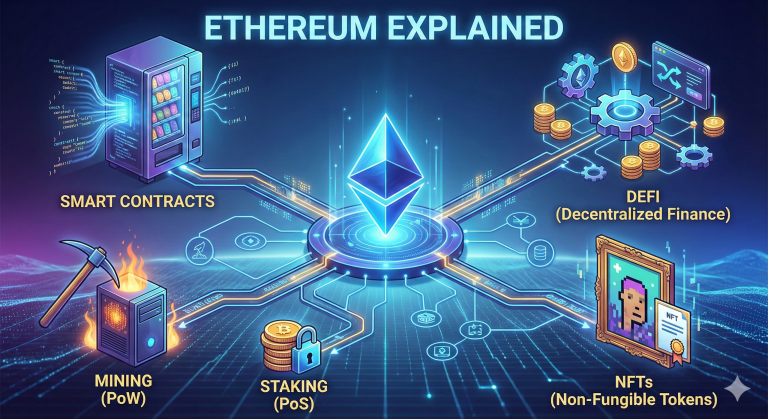
Ethereum (ETH): Famous for smart contracts and decentralized applications (dApps), enabling developers to build complex financial and operational systems. Ripple (XRP): Focused on fast, low-cost cross-border payments for banks and financial institutions.
Litecoin (LTC): Offers faster transaction confirmation times compared to Bitcoin and a slightly different hashing algorithm.
Cardano (ADA): Emphasizes scalability, sustainability, and interoperability for blockchain applications.

Why Cryptocurrencies Matter
- Investment opportunities: Cryptocurrencies have provided early investors with enormous returns, and the market continues to offer potential for growth.
- Financial independence: By enabling peer-to-peer transactions without the need for middlemen, cryptocurrencies lower costs and give users more control over their personal finances.
- Innovation: The technology behind cryptocurrencies, blockchain, is the foundation for decentralized finance (DeFi), non-fungible tokens (NFTs), and other emerging applications.
- Global accessibility: Anyone with internet access can participate, offering financial inclusion to unbanked populations worldwide.

Common Misconceptions
- Cryptocurrency is only for tech experts: While some technical knowledge helps, beginners can start learning and investing without being an expert.
- It’s completely anonymous: Transactions are pseudonymous; identities can be traced if linked with personal information.
- It’s illegal or unregulated: Cryptocurrencies operate within legal frameworks that vary by country. Before making an investment, learn about the laws in your area.
Action Steps
- Create a cryptocurrency wallet (software or hardware) to securely store your digital assets.
- Research popular cryptocurrencies, understand their use cases, and track market trends.
- Follow reputable cryptocurrency news sources and join online communities to stay informed about updates and developments.
- Practice caution: never invest more than you can afford to lose, and be aware of scams.
Conclusion
Day 1 is about understanding the basics. Cryptocurrency is a new and evolving world, but grasping the core concepts is the first step towards becoming a knowledgeable trader, investor, or blockchain enthusiast. Remember, the key to success in crypto is continuous learning and staying updated on industry developments.
Action Step:
Your job for today is to set up your first cryptocurrency wallet and familiarize yourself with one or two coins. This practical stage will assist you in gaining hands-on experience securely.
Looking ahead:
On Day 2, we’ll delve into blockchain technology, the foundation of all cryptocurrencies. You’ll discover how it works, why it’s secure, and how it’s changing finance and beyond.
Call to Action:
If you found this lecture useful, please share it with friends who want to learn about cryptocurrency and download the PDF version for future reference. Feel free to post any questions or comments below, and let’s grow together on this wonderful digital trip!






Interesting
stay connected
it will be free are you will also charge us in the middle of the course 🤣
it’s totally free